Introduction
In today’s fast-paced world, injuries can happen anytime and anywhere. Whether you’re an athlete, a busy parent, or simply navigating everyday life, knowing how to manage injuries effectively is crucial. Reusable ice packs for injuries have emerged as a go-to solution for immediate relief. Not only are they versatile and easy to use, but they also represent an eco-friendly option compared to single-use alternatives. This article will delve deep into the various aspects of reusable ice packs, exploring their benefits, uses, and how you can choose the best ones for your needs.
What Are Ice Packs Used For?
Ice packs serve multiple purposes in injury management and recovery. They are primarily utilized to:
- Reduce Swelling: Ice packs help constrict blood vessels, which minimizes swelling and inflammation. Numb Pain: Cold therapy provides temporary pain relief by numbing the area. Decrease Muscle Spasms: Applying ice can help relax muscles that are cramping or spasming.
The versatility of ice packs makes them ideal for a variety of conditions including sprains, strains, bruises, and post-surgery recovery.
What Are Cold Packs Used For?
Cold packs are similar to ice packs but may come in different forms such as gel or foam. They are commonly used for:
- Post-Surgical Recovery: Following procedures like subtotal hysterectomy or knee surgery. Sports Injuries: Addressing leg injuries or back pain after vasectomy. Chronic Pain Management: Alleviating discomfort from conditions like arthritis.
Understanding these applications is essential for choosing the right type of cold pack.
How to Use Ice Packs Effectively?
Using ice packs correctly can enhance their effectiveness. Here’s a quick guide:
Preparation: Make sure your ice pack is frozen solid before use. Protection Layer: Always place a cloth or towel between your skin and the ice pack to prevent frostbite. Application Time: Apply the ice pack for 15-20 minutes at a time. Rest Intervals: Allow your skin to warm up between applications to avoid irritation.Using ice packs responsibly aids in faster recovery while benefiting overall health.
How Long Does It Take for a Freezer To Get Cold?
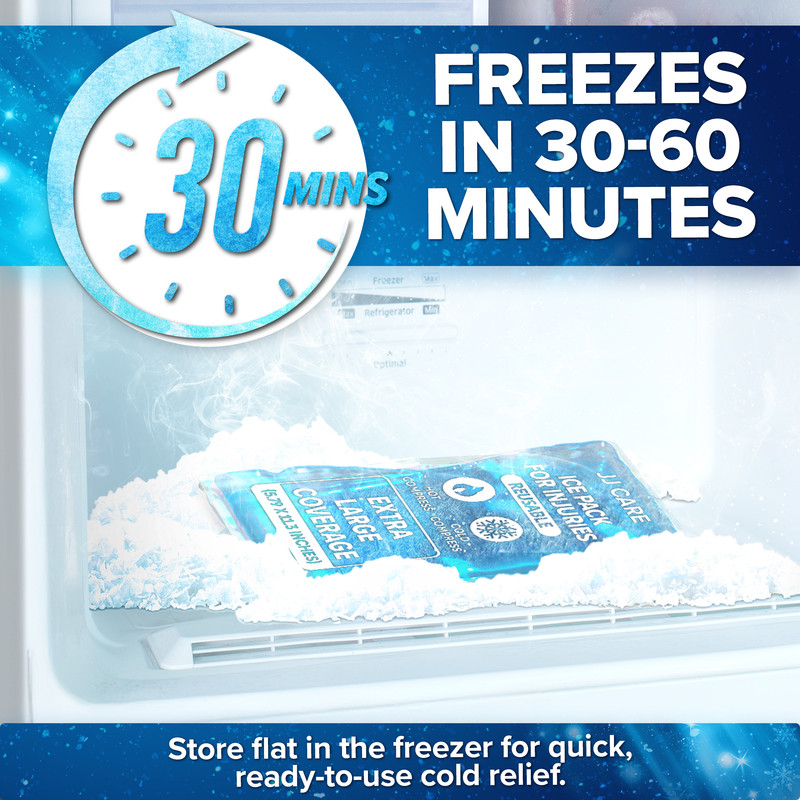
If you’re wondering how long it takes for a freezer to get cold enough to freeze an ice pack effectively, it usually takes about 4-6 hours. However, this duration can vary based on several factors including:
- The freezer's temperature settings The number of items inside The efficiency of the freezer itself
To make your freezer colder more quickly, consider adjusting the settings slightly lower before placing items inside.
Best Reusable Ice Pack Options
With many options available on the market today, here are some of the best reusable ice packs:
| Brand | Type | Features | |-------------------------|----------------|-----------------------------------------------| | FlexiFreeze | Gel | Flexible design conforms easily | | Arctic Flex | Foam | Soft exterior with excellent cold retention | | TheraPearl | Beads | Microwaveable options available | | IceWraps | Adjustable | Velcro straps for easy application |
Each of these brands offers unique features that cater to various needs—making it easier to find one that fits your lifestyle.
How Do You Make an Ice Pack?
Making DIY ice packs is simple and cost-effective. Here’s a quick recipe:
Materials Needed:
- 1 cup of water 1 cup of rubbing alcohol A resealable plastic bag
Instructions:
Mix water and rubbing alcohol in the plastic bag. Seal the bag tightly ensuring no air is trapped inside. Place it in the freezer until it reaches desired firmness.This homemade version remains flexible even when frozen—a feature that's beneficial when applying to body contours.
Does Icing Bruises Help?
Yes! Icing bruises helps reduce swelling and speeds up recovery time by constricting blood vessels at the site of injury. While icing doesn’t speed up healing entirely—it helps manage symptoms effectively by minimizing pain and discoloration.
Where To Buy Ice Packs For Injuries?
You can purchase reusable ice packs from various retailers both online and offline:
- Amazon Flex Store offers numerous options with user reviews helping you decide. Local pharmacies typically stock basic options as well. Specialty sports stores often carry high-quality products designed specifically for athletes.
Be sure to read product descriptions carefully before making a purchase!
How Long To Leave Ice Pack On?
Experts recommend keeping an ice pack on an injured area for about 15–20 minutes at a time every 2–3 hours during the initial treatment phase (the first 48 hours after injury). Always listen to your body; if pain persists even after icing, consult with a healthcare professional.
Understanding Leg Injuries
Leg injuries can vary widely from minor sprains to severe fractures. Common types include:
Sprains (ligament damage) Strains (muscle damage) Fractures (broken bones)Knowing which type you might be dealing with can guide treatment approaches—ice therapy being one key component.
Back Pain After Vasectomy: Can Ice Help?
Experiencing back pain after vasectomy is common due to muscle strain during surgery or positioning during recovery. Applying reusable ice packs can alleviate discomfort significantly by reducing inflammation around affected areas—promoting faster healing.
One Leg Colder Than The Other After Injury: What Does It Mean?
If you notice one leg feels colder than the other following an injury, it could indicate reduced blood flow or nerve compression issues resulting from swelling or trauma. It's advisable to consult with healthcare providers if this occurs persistently post-injury.
FAQ Section
1. What Types of Injuries Benefit from Using Ice Packs?
Most soft tissue injuries like sprains, strains, bruises, and post-operative pain benefit significantly from cold therapy using ice packs.
2. Can You Use Reusable Ice Packs on Any Body Part?
Absolutely! Reusable ice packs can be applied anywhere on the body that requires cooling therapy—just ensure they're securely wrapped in cloth before application.
3. How Often Should I Use an Ice Pack?
For acute injuries within the first couple of days post-injury—every two hours is recommended; subsequent days may require less frequent applications depending on swelling reduction progress.
4. Can I Reuse My Homemade Ice Pack?
Yes! As long as it's kept clean and sealed properly after each use—the homemade version mentioned earlier can be reused indefinitely!
5. Is There Any Risk Involved With Icing?
While icing is mostly safe—prolonged exposure without protective layers may lead to frostbite or skin irritation; always monitor application times closely!
6. Do I Need Medical Attention If Pain Persists After Using An Ice Pack?
If pain continues beyond expected timelines or worsens despite treatment—you should consult with medical professionals promptly!
Conclusion
soft ice packs for injuries reusableIn summary, incorporating reusable ice packs into your injury management routine presents not only immediate relief but also eco-friendly benefits over disposable alternatives. Understanding their usage—from preparation through application—can empower individuals facing various injuries—from everyday mishaps at home to serious sports-related traumas—to take charge of their recovery processes effectively.
By staying informed about what types suit specific needs best while knowing where/how best access them—we equip ourselves better against future mishaps! So next time you're faced with discomfort due either accidental bumps along life's journey—or intentional physical pursuits—remember that embracing solutions like reusable ice packs might just save both our bodies—and planet too!