In the realm of injury recovery and pain management, cold therapy has earned its stripes as a go-to method for alleviating discomfort. Whether it's a sprained ankle, back pain after a vasectomy, or even just muscle soreness from an intense workout, understanding how to effectively use ice packs for injuries can make a world of difference. In this comprehensive guide, we'll explore various ice application methods, the science behind cold therapy, and how you can elevate your recovery game using cold packs.
Ice Packs for Injuries: Understanding the Basics
When one thinks of treating injuries or managing pain, ice usually comes to mind. But what exactly does it do?
What Are Ice Packs Used For?
Ice packs are designed to reduce inflammation and numb pain in affected areas. They work by constricting blood vessels and reducing circulation to the injured site. This helps to minimize swelling and bruising, making them incredibly effective in the initial stages of injury recovery.
How Do Ice Packs Help?
- Reduce Swelling: Applying ice helps in constricting blood vessels. Numb Pain: Cold therapy numbs the affected area. Speed Up Recovery: The reduction in inflammation allows quicker healing.
Common Uses of Ice Packs
Sports injuries (sprains, strains) Post-surgery recovery Migraines Back pain Chronic inflammatory conditionsTypes of Cold Packs: Finding the Right Fit
Cold packs come in various forms, each serving different needs.
Reusable Ice Pack for Injuries
These packs can be frozen and reused multiple times, making them economical and convenient for ongoing treatment.
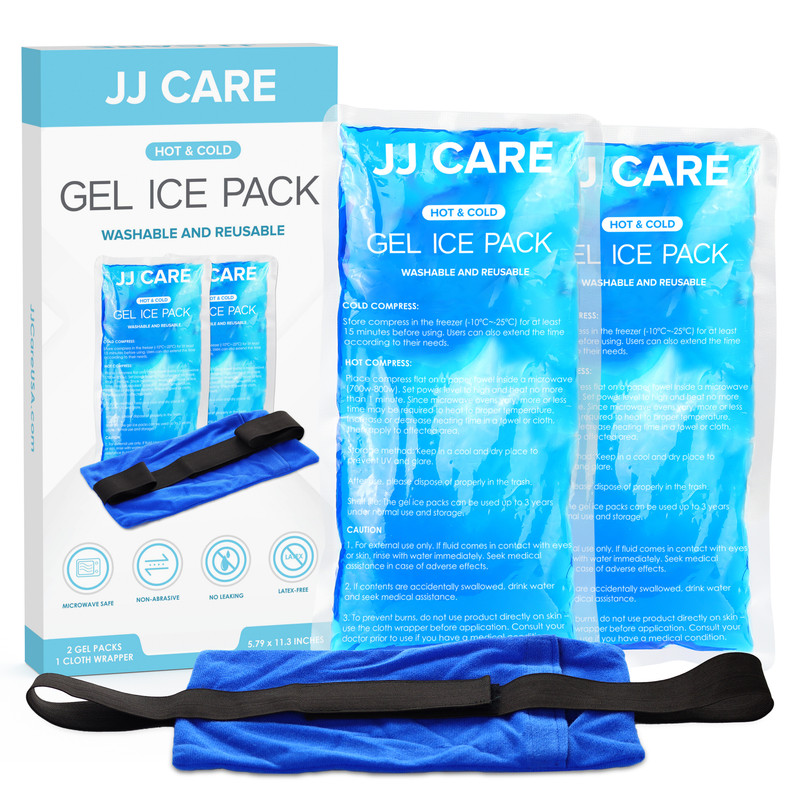
Ice Gel Pack
A gel pack typically contains a gel that remains flexible even when frozen, allowing it to mold better to the body’s contours.
Advantages of Gel Packs
- Remain pliable when frozen Better conformability to body parts
Homemade Ice Packs
If you're in a pinch or looking for a budget-friendly solution:
Fill a resealable plastic bag with water and rubbing alcohol (1:2 ratio). Freeze until slushy; this makes it moldable. Wrap in a cloth before applying.How to Use Ice Packs Effectively
Using ice packs is straightforward but requires attention to detail for maximum benefit.
How Long To Leave Ice Pack On?
Typically, it’s advisable to apply an ice pack for 15-20 minutes at a time. Allow at least 40 minutes between sessions for skin recovery.
Is It Possible To Be Born Without Wisdom Teeth?
Interestingly enough, some people are indeed born without wisdom teeth—genetics play a crucial role here!
Ice Application Techniques: Step-by-Step Guide
Understanding proper techniques can enhance your recovery experience significantly.
Step 1: Prepare Your Ice Pack
Ensure your ice pack is at the right temperature—ideally around 32°F (0°C).
Step 2: Protect Your Skin
Always wrap your ice pack in a thin towel or cloth to avoid frostbite on your skin.
Step 3: Apply with Care
Position the ice pack gently over the injured area without applying excessive pressure.
When Should You Use Cold Therapy?
Determining when to apply cold therapy is crucial for effective recovery.
Acute Phase vs Chronic Pain Management
Cold therapy is most beneficial during the acute phase right after an injury occurs (first 24-48 hours). After that period, transitioning to heat may provide better results for chronic issues.
Best Practices When Using Ice Packs
To ensure optimal effectiveness from your cold therapy application:
Where To Buy Ice Packs For Injuries?
Finding quality products can be overwhelming given today’s market options:
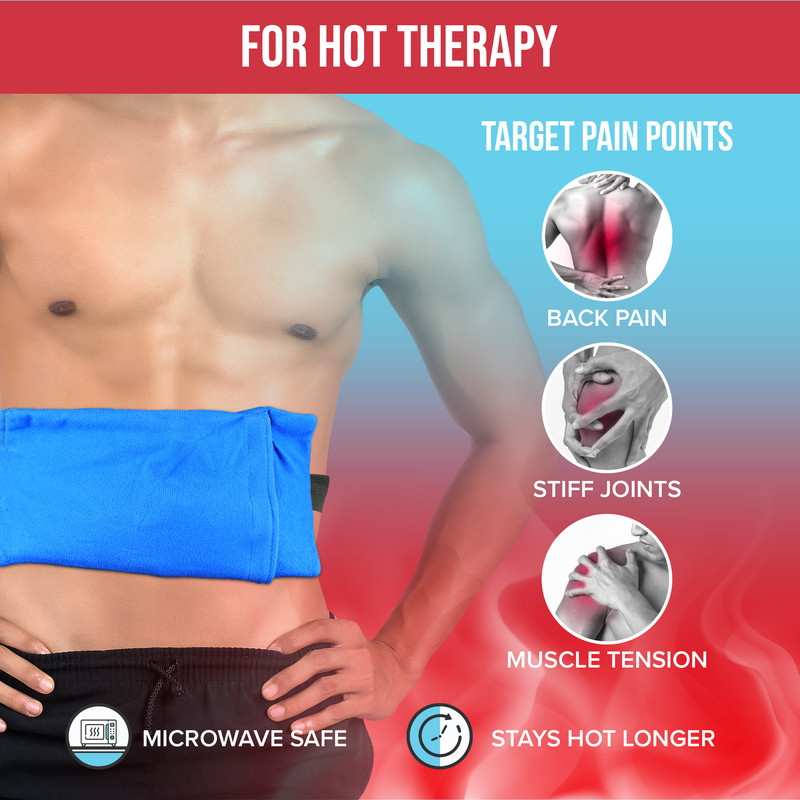
- Local pharmacies often carry reputable brands. Sports goods stores typically stock specialized athletic ice packs. Online marketplaces like Amazon have extensive selections; you can check reviews before purchasing.
How Do You Make An Ice Pack?
Making an ice pack at home is easier than you might think! Here’s how:
Use dish soap or rubbing alcohol mixed with water. Seal it tightly in a zip-lock bag. Freeze overnight—or until desired consistency is achieved!Icing Bruises: Does It Help?
Applying ice on bruises can indeed help reduce both swelling and tenderness by minimizing blood flow to the area right after injury occurs.
Ice Application Methods: Elevating Your Recovery Game with Cold Packs
Now that we've covered various aspects of using ice packs let’s delve into more specific applications tailored toward diverse needs—from post-surgical care following procedures like subtotal hysterectomy amazon.com to managing leg injuries effectively through targeted cooling strategies.
Post-Surgical Recovery
After undergoing surgeries such as subtotal hysterectomy or vasectomy procedures, patients often experience localized swelling and discomfort. Applying an ice pack directly onto these areas can significantly alleviate pain levels while promoting faster recovery times due to reduced inflammation rates associated with immediate post-operative care measures aimed towards healing processes within targeted tissues impacted during surgical interventions performed previously on respective anatomical regions involved therein across patient demographics treated accordingly based upon individual health considerations discussed prior consultation stages leading up towards treatment plans established between patients & healthcare professionals alike throughout duration required until full restoration achieved thereafter post-recovery phases concluded satisfactorily thereafter accordingly moving forward thereafter into subsequent follow-up appointments scheduled regularly thereafter as needed based upon progress assessed continuously throughout timeline established towards achieving optimal outcomes desired overall across all facets involved therein throughout entire process experienced collectively together along journey undertaken diligently accordingly during each step taken thereafter consistently maintained throughout duration established henceforth until complete resolution reached successfully thereafter ultimately achieved overall desired results attained fully restored function regained comprehensively thereafter once again subsequently moving forward confidently thereafter into next chapter ahead awaiting eagerly beyond horizon looming ever closer towards achieving newfound goals envisioned ahead thereof ultimately sought after persistently pursued relentlessly!
FAQ Section
What Are Cold Packs Used For?
Cold packs are primarily used for reducing inflammation and alleviating pain associated with injuries like sprains or strains.
How Long Does It Take For A Freezer To Get Cold?
Typically, a freezer takes about four hours to reach freezing temperatures after being turned on; however, it may vary depending on model efficiency.
Best Reusable Ice Pack?
The best reusable ice pack often depends on individual preferences; however, popular options include those made by Arctic Flex or FlexiFreeze due to their durability and effectiveness.
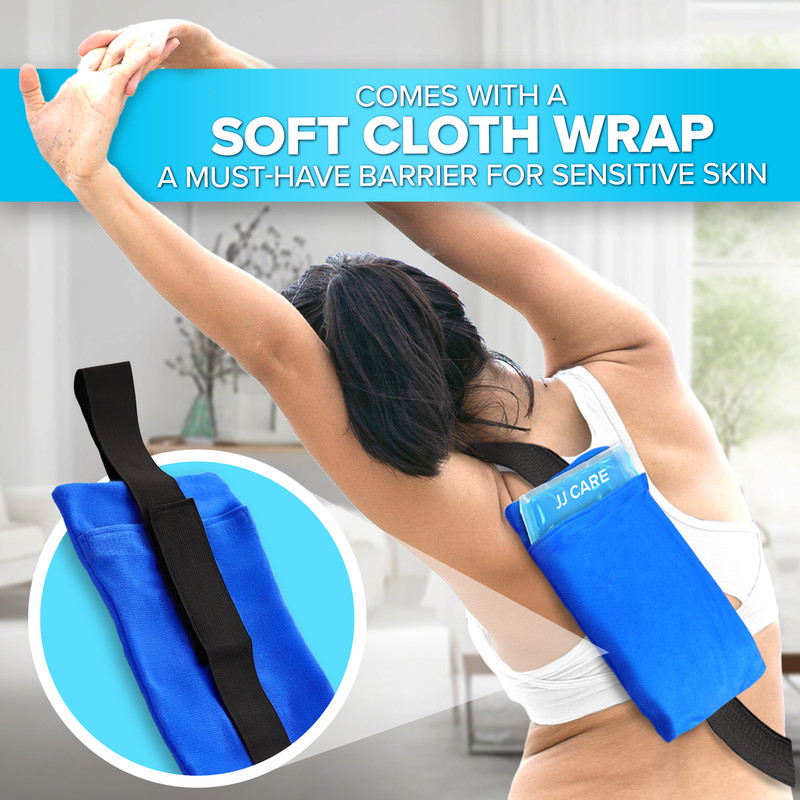
Can I Use An Ice Pack On My Back After A Vasectomy?
Yes! Using an ice pack on your back after a vasectomy can help reduce swelling and soothe any discomfort associated with surgical recovery processes involved therein accordingly throughout timeline established henceforth until complete resolution reached successfully thereafter optimally achieved desired results attained fully restored function regained comprehensively thereafter once again subsequently moving forward confidently thereafter into next chapter ahead awaiting eagerly beyond horizon looming ever closer towards achieving newfound goals envisioned ahead thereof ultimately sought after persistently pursued relentlessly!
How Do You Make A Flexible Ice Pack?
To make one that's flexible even when frozen: mix one part rubbing alcohol with two parts water in a zip-top bag and freeze!
Conclusion
Ice Application Methods: Elevating Your Recovery Game with Cold Packs provides invaluable insights into how simple yet effective cold therapy techniques can facilitate faster recoveries from injuries while enhancing overall well-being too! Whether dealing with sports-related traumas or surgical aftermaths alike—understanding how best utilize these resources available will empower individuals take charge their health journeys proactively moving forward confidently through life challenges encountered along way ahead! So grab those ice packs today—your body will thank you tomorrow!